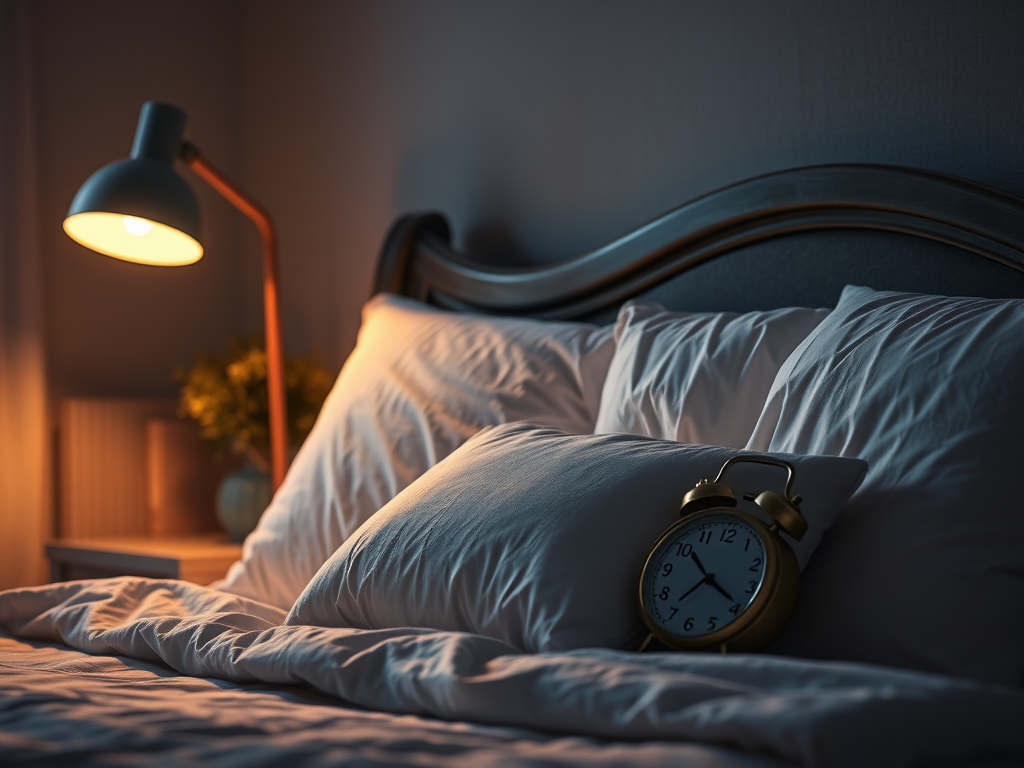


What time do I go to bed and wake up?
It depends
Routine Days – I wake up and go to sleep around the same time each day, including weekends.
Grandkids – When grandchildren are visiting, I wake up several times a night to check on them. However, I still wake up at my normal time.
Vacation – When away from home, I generally wake up around the same time, but going to bed may vary.
__________________________________________________________________________
How Lack of Sleep Affects Your Mood and Focus
Lack of sleep is only bad if you have to drive, or think, or talk, or move.
Dov Davidoff
You only ever experience two emotions: euphoria and terror. And I find that lack of sleep enhances them both.
Marc Andreessen
Here are some fun facts about sleep
- Research shows that in the days leading up to a full moon, people go to bed later and sleep less, although the reasons are unclear.
- If it takes you less than five minutes to fall asleep at night, you’re probably sleep-deprived. Ideally, falling asleep should take 10 to 15 minutes.
- Sea otters hold hands when they sleep so they don’t drift away from each other.
- Tiredness peaks twice daily: Around 2 a.m. and 2 p.m. for most people. That’s why you’re less alert after lunch.
- Have trouble waking up on Monday morning? Blame “social jet lag” from your altered weekend sleep schedule.
- We are the only mammals that willingly delay sleep.
- Stress, physical or mental illness, living or sleeping arrangements, family history, shift work, diet, and exercise habits can all contribute to insomnia.
- Finding it hard to get out of bed in the morning is a real condition called dysania. It may signal a nutritional deficiency, depression, or other problems.
- Insomnia is not defined by the sleep you lose each night but by the drowsiness, difficulty concentrating, headaches, irritability, and other problems it can cause daily.
- English bulldogs are the only canines that experience sleep apnea, a breathing disorder. Their unusual airway anatomy (short snouts and underbites) is likely the reason.
- Being awake for 16 hours straight decreases your performance as much as if your blood alcohol level were .05% (the legal limit is .08%).
- In the 17th century, getting up in the middle of the night was normal. People slept in two segments divided by an hour or two of alertness (time for reading, praying, intimacy, or socializing with others).
- Going without sleep is likely to make you hungry as levels of leptin, an appetite-regulating hormone, fall.
- You’re less likely to have a traffic accident when daylight savings ends. Statistics show that an extra hour of sleep reduces accidents.
- One job in early English mills and factory towns was to knock on people’s windows to wake them up for work.
- Sleeping on the job is less of a problem in Japan. Companies may accept it as a sign of exhaustion from overwork.
- Some car rental contracts make you promise not to drive on fewer than six hours of sleep.
- Insomnia is often a normal part of grieving. Taking sleeping pills can disrupt this natural process.
- Regular exercise usually improves your sleep patterns. Strenuous exercise right before bed may keep you awake.
- Today, 75% of us dream in color. Before color television, just 15% of us did.
- Whales and dolphins fall half asleep. Each side of their brain takes turns so they can come up for air.
I just wanted to bring this relevant information to your attention.
You Welcome!

As always, I welcome your likes and comments. And your subscription would just put me over the moon!
Grace and Peace!
Cadeegirl Gee
Speak Your Peace –