Identifying the Warning Signs: Is Someone You Know a Troublemaker?
If there are individuals in your life whom you find it difficult to trust, and you feel that they tend to create drama and trouble while always plotting mischief, I understand how challenging that can be. Please continue reading for some insights and suggestions.
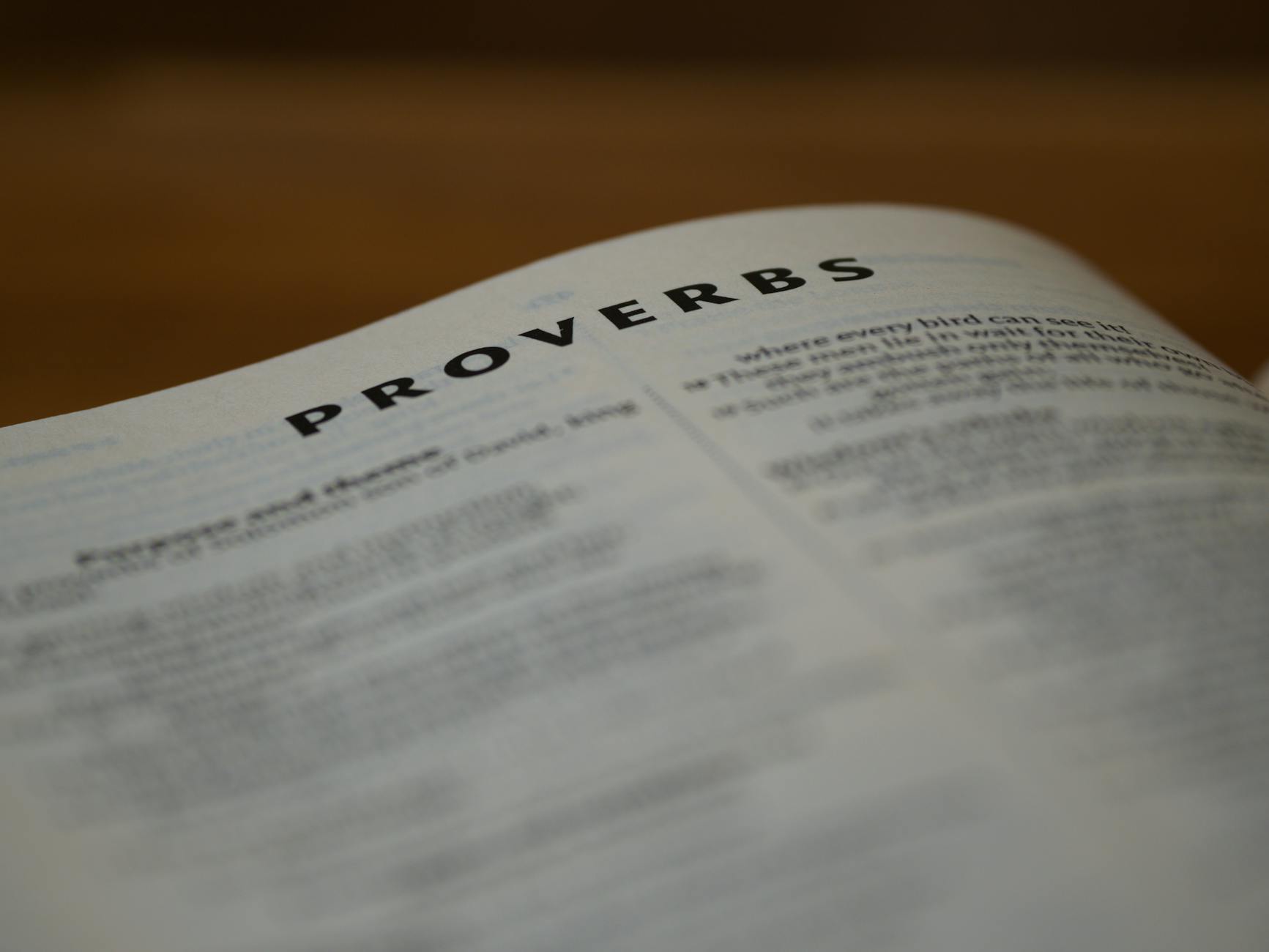
Proverbs Chapter 6
Verse 12
A troublemaker and a villain, who goes about with a corrupt mouth,
Verse 13
Who winks maliciously with his eye, signals with his feet
Verse 14
Who plots evil with deceit in his heart he always stirs up conflict
Verse 15
There disaster will overtake him in an instant; he will suddenly be destroyed – without remedy
NIV
Today
Identifying the Warning Signs: Is Someone You Know a Troublemaker?
NIV
There are words in verses 12-15 that sound old-fashioned and old now, for instance, troublemaker, villain, and corrupt mouth. However, the definition of each word that fits troublemaker is someone who causes problems wherever they go and tries to get others to follow along – today, we would call that drama-filled.
A villain, often called a swindler, felon, convict, criminal, or corrupt individual, who engages in illegal activities or violates the law. These individuals often display dishonest, scandalous, fraudulent, or deceitful behavior, making them difficult to trust or be around.
It is essential to understand that these individuals may not change their behavior or seek help, so it’s important to approach them with prayer and caution when dealing with them.
It is essential to remember that interacting with individuals displaying such traits can potentially lead to harmful and dangerous outcomes. For this reason, it is crucial to steer clear of such individuals and, if needed, reach out to law enforcement or other relevant authorities for assistance. Prioritizing your safety and well-being is paramount in such situations.
Here, Solomon is continuing his conversation with his son and explaining the types of people or personalities that will pull him away from God if he engages in such behavior, and if he chooses to hang out with these individuals, what could eventually happen to him and them.
Drawing from his own experiences, Solomon shares heartfelt advice with his son, emphasizing the importance of surrounding oneself with positive influences. His words reflect a deep understanding of his son’s challenges and the potential impact of negative associations on his spiritual well-being. Through his empathetic guidance, Solomon offers a supportive perspective on safeguarding one’s faith and navigating the complexities of human relationships with wisdom and compassion.
Verse 12
A troublemaker and a villain who goes about with a corrupt mouth,
“This individual is known for their disruptive behavior and tendency to cause problems wherever they go. Their actions often resemble those of a villain, exhibiting a disregard for the well-being of others.”
This person is often recognized for their tendency to create disruption and challenges within their surroundings. Their actions sometimes mirror those of an antagonist, showing a lack of consideration for the welfare of others. It’s important to extend understanding and support to individuals struggling to navigate their interactions positively and their impact on those around them.
Additionally, they may habitually use language considered corrupt, vulgar, and inappropriate, which can cause further tension and conflict in any situation. I remember when it was not regarded as okay to use the “B word” for a female dog; that word is thrown around here so casually like it is no big deal. Men call women the “B” word, and women call each other the “B” I do not get it and never will.
Once you open the door for vulgarity, it opens to other offensive words or sayings. It’s disheartening to witness the casual acceptance of such language, as it not only normalizes disrespect and degradation, but it also contributes to a toxic environment where healthy communication and understanding become increasingly challenging.
Addressing this issue requires a collective effort to promote respectful and considerate dialogue, fostering an inclusive environment where individuals feel valued and heard without resorting to detrimental language perpetuating division and disrespect.
It’s crucial to emphasize the power of words and their impact, encouraging mindfulness and accountability in our communication to cultivate a more positive and respectful discourse.
Verse 13
Who winks maliciously with his eye, signals with his feet
Winking can mean different things to different people and cultures. Winking can mean flirting or playing with someone, but in this case, winking sounds like deception or joining me in some trouble.
Winking can have different meanings depending on the situation and cultural background. In some cultures, a wink is seen as a fun or flirty gesture; in others, it may be seen as a sign of secrecy or conspiracy. It’s interesting how a simple action can have so many different meanings.
The idea of winking being seen as deceptive or as an invitation to be mischievous is fascinating, as it shows how complex non-verbal communication and human interaction can be.
However, in this case, it is meant for evil.
Verse 14
Who plots evil with deceit in his heart, he always stirs up conflict.
This type of person can be exhausting. When confronted with individuals who continually scheme and deceive, the toll it takes on those around them can be truly draining.
It is disheartening to witness the impact of such behavior, as it can lead to ongoing friction and tension within relationships and communities. Consequently, it becomes crucial to approach such situations with empathy and understanding while maintaining a sense of personal boundary and self-care.
Recognizing the taxing nature of engaging with such individuals can help establish healthier coping mechanisms and prioritize emotional well-being.
Verse 15
Their disaster will overtake him instantly; he will suddenly be destroyed – without remedy.
Identifying the Warning Signs: Is Someone You Know a Troublemaker?
Suppose a person continually is a troublemaker, always stirring up trouble, plotting how to hurt someone, whether gossiping and spreading malicious rumors about others or being a bully to others, whether in person or online. In that case, it can create a toxic environment where people feel unsafe and unwelcome. Not only that, it fosters a feeling of loneliness for the perpetrator.
This type of behavior can have profound and lasting effects on those who are targeted, leading to feelings of anxiety, low self-esteem, and even depression. And have lasting adverse effects on the person causing the negative behavior. Addressing and confronting this behavior constructively and proactively is essential to prevent further harm and foster a positive environment.
Or if there is no reasoning with the person – than you need to pray and ask God how you can escape such destructive behavior.
Let’s build a culture of empathy and mutual support where individuals can thrive without fear of intimidation or harm. By fostering a culture of respect and understanding, we can create a more positive and uplifting environment for everyone.
Identifying the Warning Signs: Is Someone You Know a Troublemaker?
- Trouble does not follow them; they are the trouble.
- They cannot be trusted.
- Gossipers to a fault
- Dramatic
- Always looking to get over on someone and then justify their bad behavior.
- Go with your gut – Use wisdom with discernment.
Understanding the warning signs of a
troublemaker will help you make better decisions concerning your interaction
with them and how to pray for them in several ways. According to
Verse 15 Their disaster will overtake him instantly; he will suddenly be destroyed – without remedy. Or
Because of this, trouble will suddenly happen to him. It will knock him down, and he will never get up again. – Easy
Think of someone who got into trouble, and whose life was never the same again. They either were hurt, lost everything, were jailed, or worse, died.
But that does not have to be because together, we can create a space where kindness and empathy are celebrated and where the well-being of every individual is valued and protected.
By promoting empathy, understanding, and accountability, we can work towards creating a more supportive and harmonious environment where everyone feels valued and respected. It’s crucial to promote kindness and compassion and stand up against behaviors that seek to undermine the well-being of others.
Identifying the Warning Signs: Is Someone You Know a Troublemaker?
I pray this has helped someone somewhere somehow. If you ever feel uncertain or just need someone to talk to, please don’t hesitate to leave a comment below. I’m here to help and support you in any way I can.
I always welcome your comments, likes, and subscriptions.
Grace and peace!
Cadeegirl (K-D girl) Gee
Speak Your Peace –